Wildlife at flower height
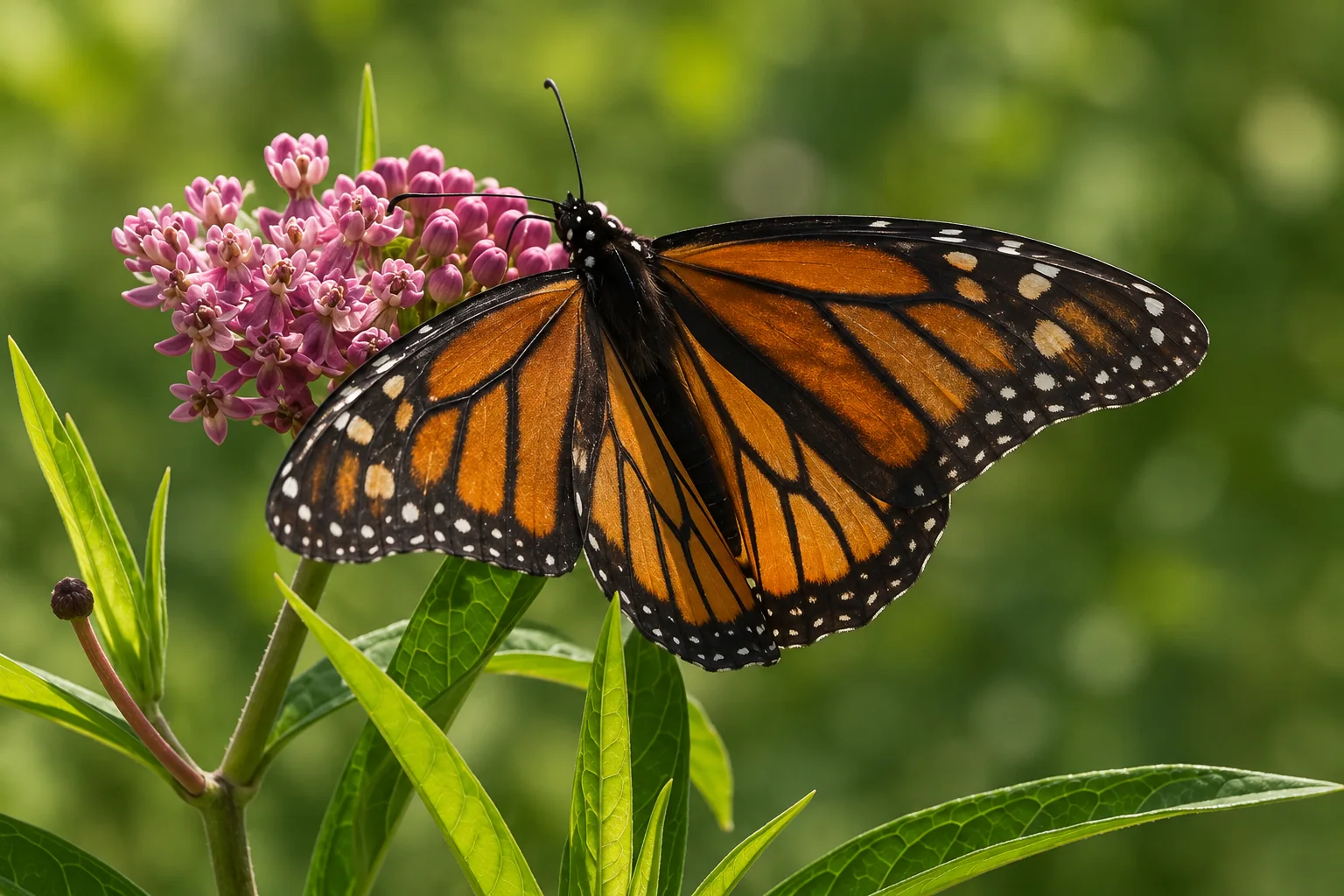
A botanical garden shifts animal watching from distant shapes to small interactions. Bees move between blooms with different shapes and flowering times, butterflies pause to feed or bask, and birds use shrubs as well as open lawn. Looking closely reveals a community built around plants.
Follow the flowering sequence
There is no single peak for every pollinator. Early flowers support emerging insects, summer brings intense activity, and later blooms feed species preparing for migration or winter. Return through the year and the same border can present an entirely different cast.
Observe without interfering
Approach flowers slowly and avoid casting a shadow over an insect that is feeding or basking. Do not catch, touch or collect anything, and keep feet on paths rather than inside planted beds. A small lens or binoculars used at close focus can reveal details without contact.
Plan the garden visit
The outdoor garden is free to enjoy from dawn until dusk. Indoor spaces, courses and special events follow their own schedules and may have separate fees. Warm, calm and sunny weather generally produces the most visible pollinator activity, while cooler mornings can be quieter for birds.
Animals to look for
Insect and bird activity changes with flowers, temperature and season. Every wild sighting is opportunistic.
- Monarch butterfly
- Native bees
- Other butterflies and moths
- Hoverflies
- Songbirds
- Beneficial beetles
Visitor questions
Is Toronto Botanical Garden free to enter?
The outdoor garden is free to enjoy from dawn until dusk. Some courses, events and indoor activities have separate schedules or fees.
When is the best time to see pollinators?
Warm, calm and sunny conditions during the growing season are most productive. Different flowers attract changing insects from spring through autumn.
Can I catch or collect insects in the garden?
No. Observe and photograph insects without touching, catching or collecting them, and remain on paths to protect plants and habitat.