
A landscape designed for learning
Kortright combines outdoor habitats with conservation education. Trails lead through woodland and open areas, while boardwalks provide a way to experience marsh habitat without walking through it. The site is useful for visitors who want context as well as time outdoors.
Listen before you look
Birdsong often reveals activity concealed by leaves. Stop at a woodland edge, identify the direction of a call and watch the branches rather than moving toward it. Open meadow can favour different birds and insects, and quiet water edges may reveal amphibians or signs of mammal activity.
Every season changes the walk
Spring brings returning birds and amphibian activity, summer increases insect life, and autumn adds movement through forest and meadow. Winter highlights tracks, evergreen cover and cold-weather birds. Trail conditions can change quickly, so footwear and route choice matter as much as binoculars.
Admission and programmes
General admission is paid, and some activities require separate registration or fees. Check current opening hours, trail notices and programme schedules before leaving Toronto. Organised events can add interpretation, but a self-guided walk still rewards visitors who move slowly.
Animals to look for
Wild sightings are seasonal and never guaranteed. Do not use playback, feed animals or leave the trail to pursue them.
- Woodland songbirds
- Woodpeckers
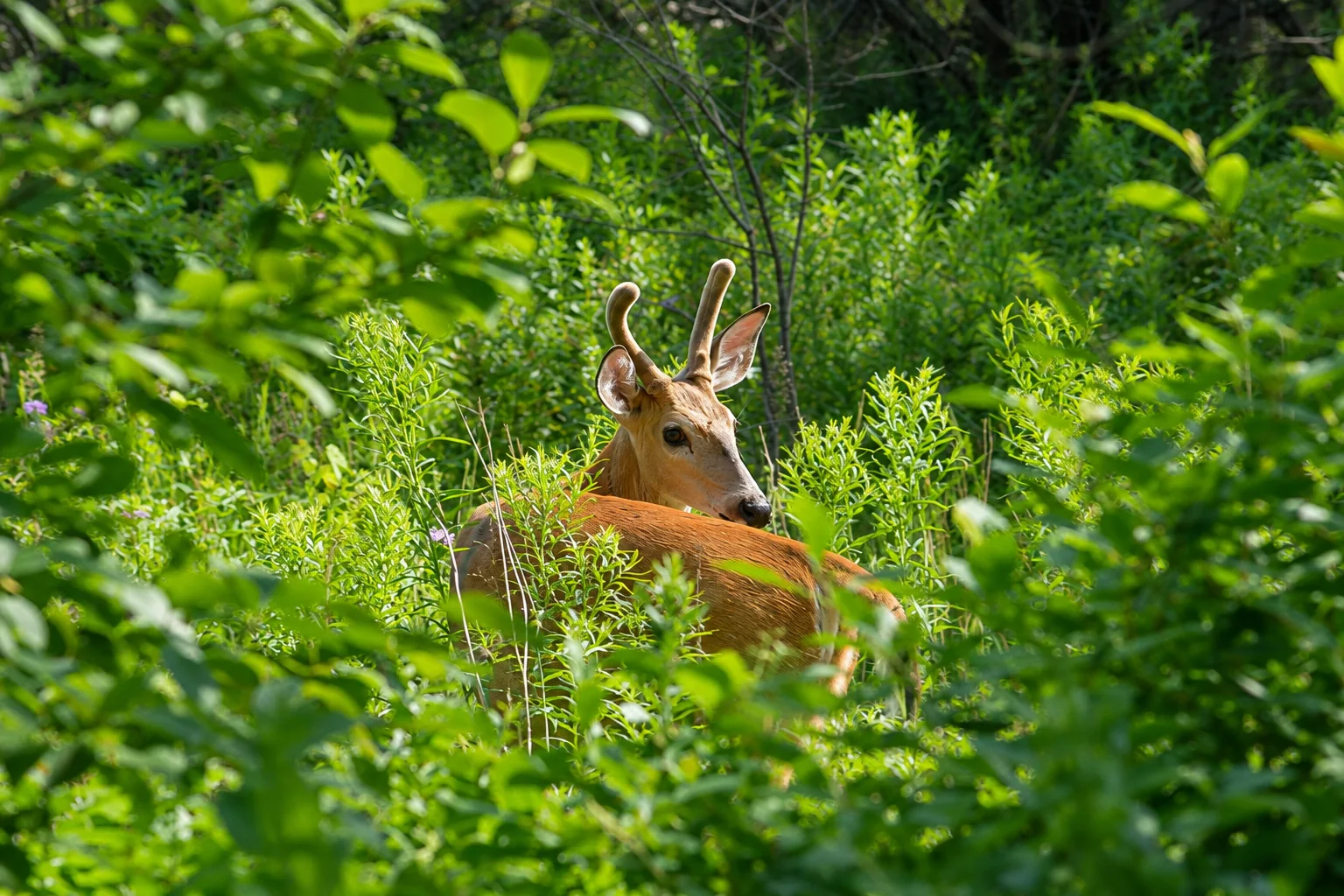
- White-tailed deer
- Small mammals
- Amphibians
- Native insects
Visitor questions
What can I see at Kortright Centre?
Visitors can explore forest, meadow and marsh habitats with opportunities for birds, small mammals, amphibians and insects depending on the season.
Is Kortright Centre free?
General admission is paid, and some programmes have separate registration or fees. Check current rates and opening times before travelling.
Are the trails open all year?
Kortright operates year-round, but trail conditions and programme schedules change with weather and season. Check current notices before setting out.